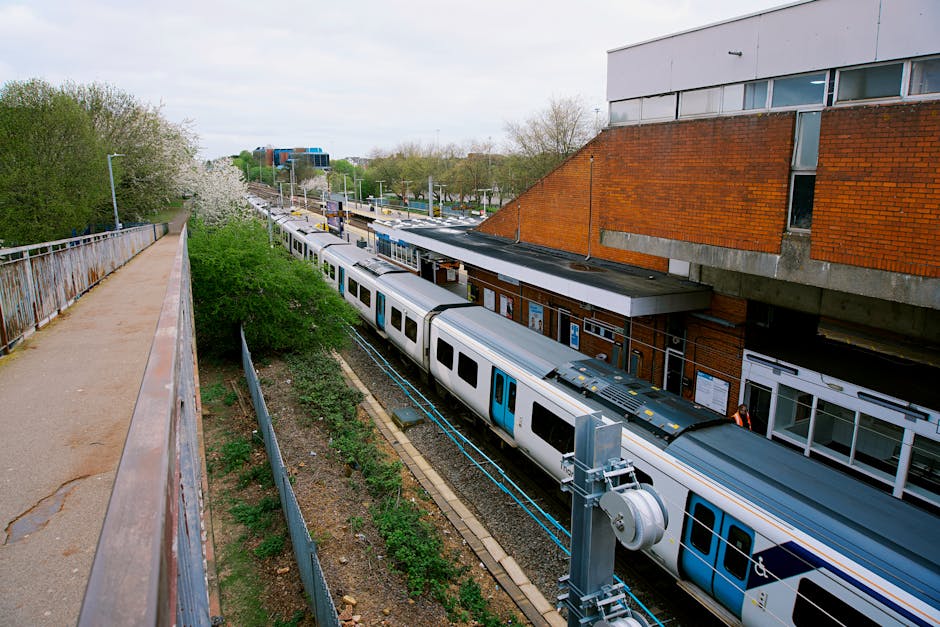
Gardeners for flats near Abbey Wood Station quick guide
If you live in a flat near Abbey Wood Station, keeping a tidy outdoor space can feel oddly complicated. A small balcony, a shared courtyard, a strip of communal planting, or just a few pots that need proper care - none of it is quite "gardenless", but none of it behaves like a normal back garden either. That is exactly where a practical guide to gardeners for flats near Abbey Wood Station helps. You want someone who understands tight access, neighbours close by, noise, waste removal, and the fact that a job can't turn your entrance into a mini building site. Simple enough in theory. Not always simple in real life.
This quick guide explains how flat-based gardening support works, what to ask for, what to avoid, and how to choose services that actually suit apartment living near Abbey Wood Station. If you are comparing options, trying to solve an overgrown balcony planter, or just want regular maintenance without the hassle, you are in the right place.
- Quick answer: the best flat-friendly gardening service is usually neat, low-disruption, and flexible about access and scheduling.
- Main idea: apartment outdoor spaces need different planning from house gardens.
- What you will get here: practical steps, common mistakes, comparison guidance, and a checklist you can actually use.
Table of Contents
- Why it matters for flats near Abbey Wood Station
- How flat gardening services work
- Key benefits and practical advantages
- Who this is for and when it makes sense
- Step-by-step guidance
- Expert tips for better results
- Common mistakes to avoid
- Tools, resources and recommendations
- Law, compliance, standards and best practice
- Options, methods and comparison table
- Case study or real-world example
- Practical checklist
- Conclusion
- Frequently asked questions
Why Gardeners for flats near Abbey Wood Station quick guide Matters
Flat living changes the whole gardening conversation. In a house, there is often more room for tools, storage, and waste bins. In a flat, there may be shared entrances, limited water access, no shed, and a neighbour's window just a few metres away. That means the wrong approach can create more annoyance than improvement. The right approach, though, can make a huge difference to how your place feels day to day.
Near Abbey Wood Station, many residents value outdoor space as a small oasis rather than a full-scale garden. A clean patio, healthy planters, trimmed hedging, and a tidy communal strip can make a flat feel calmer and better cared for. You notice it on a rainy Monday morning as much as on a sunny Saturday afternoon. That little bit of order matters.
There is also the practical side. Overgrown plants can block light, attract pests, spill soil, and make balconies or access routes awkward. A reliable local gardener can keep things manageable before they become a bigger headache. Truth be told, people often wait until things feel a bit too far gone - and then the job is three times harder.
If you need a broader view of what a professional team can help with, the services overview is a useful starting point, especially if you are trying to match small-space needs with the right type of work.
How Gardeners for flats near Abbey Wood Station quick guide Works
For flats, gardening services usually start with assessment, access planning, and a very clear list of priorities. That sounds basic, but it matters more than people expect. A gardener needs to know where they can park, how they can get tools in and out, whether there is lift access, and what sort of outdoor space they are dealing with. A balcony planter job is not the same as a shared courtyard tidy-up, and a communal planting bed is different again.
Here is the usual flow:
- Initial discussion: You explain the space, the issues, and how often you want help.
- Site-specific check: The gardener looks at access, waste, water, safety, and any shared-use boundaries.
- Scope agreement: You agree what will be done, how often, and what is excluded.
- Work plan: Tasks are scheduled to fit the building, neighbours, and your preferred timing.
- Maintenance rhythm: Recurring visits may be set up for mowing, pruning, clearance, or seasonal tidy-ups.
The important thing is that the work is not just "gardening" in the abstract. It is space management. It is timing. It is keeping the area usable without making life harder for the people who live there. A good provider will think like that from the start.
If your flat has garden-related jobs beyond simple tidying, you may also want to explore garden maintenance for ongoing care, or garden clearance if the space needs a proper reset first. For more structured outdoor changes, landscaping and landscape gardening can be worth discussing too.
Key Benefits and Practical Advantages
The biggest benefit is simply having an outdoor space that feels under control. But there are a few more practical wins that matter just as much.
- Less stress: You are not looking at tangled plants or a messy balcony every time you open the curtains.
- Safer access: Clear walkways, stable pots, and tidy edges reduce trip hazards and awkward blockages.
- Better neighbour relations: Low-noise, well-timed visits reduce disruption in close living conditions.
- Healthier planting: Small-space plants often need more regular attention than people think.
- Cleaner presentation: A neat exterior can lift the feel of the whole flat, especially in communal spaces.
There is also a financial logic, though not in a flashy way. Preventing plant dieback, uncontrolled growth, or recurring clearance work usually costs less than letting things slide and then dealing with a bigger job later. That is just common sense, really.
For some flats, a few targeted services make the biggest difference: lawn mowing for shared green areas, hedge trimming where boundaries need to stay neat, or decking services if the outdoor area includes a raised platform or seating space that needs better structure.
Who This Is For and When It Makes Sense
This kind of gardening support is useful for a surprisingly wide range of people. It is not just for someone with a tiny terrace full of half-dead herbs, although yes, those jobs count too.
You may benefit from flat-friendly gardeners if you are:
- a tenant who wants to keep the space tidy without taking on all the work yourself
- a leaseholder managing a balcony, terrace, or small outdoor strip
- a landlord or letting agent preparing a flat for viewings
- a residents' association looking after communal planting or external neatness
- someone who travels often and cannot keep up with regular watering, trimming, or clearance
- a person who simply wants the space to look cared for without constant weekend jobs
It also makes sense when the work is too fiddly for a do-it-yourself approach. High planters, awkward access, heavy pots, shared bins, and waste carry-down are all good reasons to bring in help. And let's face it, dragging bags of green waste through a shared lobby is nobody's idea of a calm afternoon.
If you are still unsure what level of help you need, comparing the day-to-day care in garden maintenance with one-off tidying from garden clearance can make the decision clearer.
Step-by-Step Guidance
Here is a sensible way to approach hiring or planning gardening help for a flat near Abbey Wood Station.
1. Define the space properly
Start by identifying exactly what needs attention. Is it a balcony, a roof terrace, a communal strip, a small front area, or a few planters? This sounds obvious, but many people describe the whole thing as "the garden" and forget the practical details that affect the job.
2. Decide what outcome you actually want
Do you want a one-off tidy-up, seasonal upkeep, or a more polished outdoor area? The answer changes the service type. A quick trim is different from a design-led refresh. If the space feels cluttered rather than simply untidy, some level of clearance may be the first step.
3. Check access and building rules
Think about where tools will go, whether parking is possible, and whether the building has any restrictions on working hours, noise, or lift use. Flat jobs are often won or lost on logistics. Not glamorous, but that is the reality.
4. Ask what will be included
Be clear on trimming, pruning, weeding, sweeping, watering, waste removal, and disposal. If you assume something is included and it is not, that is where annoyance starts. A proper quote should spell it out.
5. Set a repeat schedule if needed
For shared spaces or planters that need regular care, a repeating maintenance pattern is usually easier than ad hoc visits. The rhythm matters. Spring and late summer can be especially busy periods, and a flat can look tired quickly if no one stays on top of it.
6. Review after the first visit
After the first job, take a minute to check whether the result suits the space. Was access handled neatly? Was waste removed properly? Did the final look match what you expected? A small pause here can save a lot later.
That final review is underrated. Really underrated.
Expert Tips for Better Results
Flat spaces are small, which means every decision shows. A slightly oversized planter, a neglected hedge line, or the wrong watering routine can change the whole look. These tips help keep things practical and low-fuss.
- Choose low-maintenance planting where possible. In a flat, plants that tolerate wind, shade, and inconsistent watering often work better than delicate showpieces.
- Keep surfaces clear. When balconies or terraces hold too many pots, the space becomes harder to clean and less usable.
- Think about water access early. A watering can is fine for a few pots. It is less fun when there are ten of them and the weather turns warm.
- Schedule work at sensible times. Mid-morning on a weekday may suit communal buildings better than late afternoon, especially where noise travels.
- Use tidy edging and simple shapes. Small spaces often look bigger when they are visually calm.
A good local team should also be upfront about safety and insurance. If machinery, ladders, or waste removal are involved, it is sensible to ask how they handle risk. You can review the site's own insurance and safety information and health and safety policy before booking. That is not overcautious. It is just sensible.
Common Mistakes to Avoid
Most problems with flat gardening are preventable. The tricky part is that the mistakes feel small at first.
- Underestimating access: A service can be perfectly suitable on paper and awkward in practice if the gardener cannot reach the area easily.
- Not agreeing waste handling: Green waste, old compost, broken pots, and cuttings all need somewhere to go.
- Choosing the wrong service type: A one-off tidy-up is not the same as ongoing care, and that mismatch can leave you disappointed.
- Ignoring shared-space etiquette: In apartment buildings, a tidy job is not enough if it disrupts neighbours or blocks entrances.
- Overfilling small areas: Too many features in a compact space make maintenance harder, not easier.
Another common one: people ask for a quick spruce-up but really need a fuller reset. That is fine, but it needs saying clearly. Otherwise everyone ends up doing a bit of guesswork, which nobody wants on a damp Tuesday morning.
Tools, Resources and Recommendations
You do not need a massive toolkit for a flat, but the right basics make life easier. If you are keeping on top of a small outdoor area yourself between visits, these are worth having.
- Lightweight secateurs for small pruning jobs and deadheading
- Compact watering can for balconies and grouped pots
- Stiff brush and dustpan for leaves, soil spill, and general tidying
- Gloves that are comfortable enough to use regularly
- Simple plant feed suitable for container-grown plants
- Storage box if the flat has room for small tools and spare ties
From a service-planning point of view, the most useful resources are the ones that help you understand scope. The pricing and quotes page can help you prepare the right questions, while services overview gives a broader sense of what each type of job is for. If you are looking at a longer-term care plan, garden maintenance is usually the most relevant place to start.
For spaces that have become messy, crowded, or overgrown, it may be worth starting with garden clearance before moving into ongoing care. There is no shame in that. Honestly, it is often the smartest route.
Law, Compliance, Standards, or Best Practice
For flat gardening work, the main thing is to follow sensible UK best practice around safety, waste handling, access, and neighbour consideration. Exact duties will depend on the property type, who owns the space, and what work is being done, so it is wise to avoid assumptions.
In practical terms, that usually means:
- keeping walkways clear during the job
- using tools safely in shared or confined spaces
- checking whether the building has any access requirements
- disposing of green waste responsibly
- being careful around communal areas and shared boundaries
If the work involves ladders, tree pruning, or heavier clearance, the safety conversation matters even more. For example, tree lopping and removal is not the kind of job to treat casually, especially where access is tight or the area is shared. It should be approached with care and proper planning.
You may also want to check the provider's recycling and sustainability approach if waste sorting or green waste removal matters to you. In a flat, where storage and disposal are limited, that part becomes more important than people expect.
Options, Methods, or Comparison Table
Not every flat needs the same kind of gardening support. The right choice depends on space, budget, and how hands-on you want to be.
| Option | Best for | Typical strengths | Watch out for |
|---|---|---|---|
| One-off tidy-up | Neglected pots, balcony clutter, seasonal reset | Quick visual improvement, straightforward booking | May not solve long-term maintenance needs |
| Regular maintenance | Shared spaces, planted balconies, ongoing care | Consistency, better plant health, less stress | Requires a clear schedule and expectations |
| Clearance first, then care | Overgrown or cluttered spaces | Best for a fresh start and manageable upkeep | More initial work before the space settles |
| Light landscaping | Terraces, communal planters, simple layout improvements | Can improve use and appearance together | Needs careful planning in small areas |
For a lot of flats, the sweet spot is a simple combination: a first tidy-up, followed by routine visits. That keeps the space looking good without turning it into a big ongoing project. Nice and manageable, which is what people usually want in the first place.
Case Study or Real-World Example
Here is a realistic example. A resident in a flat near Abbey Wood Station had a small terrace with three large planters, some wind-blown weeds, and a patch of paving that collected leaves and debris. Nothing dramatic. But the space felt cluttered every time they stepped outside, and watering had become a chore rather than a pleasure.
The solution was not a full redesign. It was a tidy sequence of work: remove dead growth, re-cut the edges of the planters, clear debris from the paving, reduce the number of awkward pots, and set up a simple maintenance rhythm for the warmer months. The space became easier to use, quicker to clean, and far more pleasant to sit in with a cup of tea after work.
That is the key lesson, really. With flats, the best gardening jobs are often the ones that reduce friction. A space does not need to be huge or elaborate to feel better. It just needs to be usable, neat, and not a faff every time you look at it.
Practical Checklist
Use this checklist before booking gardeners for a flat near Abbey Wood Station:
- Identify the exact space: balcony, terrace, courtyard, planter, or shared area
- List the main issues: overgrowth, weeds, dead plants, mess, unsafe access, or poor layout
- Decide whether you need clearance, maintenance, or both
- Check access details: entry, parking, lifts, gates, and working hours
- Confirm whether waste will be removed and how it will be handled
- Ask about safety, insurance, and building etiquette
- Agree whether the work is one-off or recurring
- Make sure the quote clearly covers the actual scope
- Think about low-maintenance planting for the long term
- Review the result after the first visit and adjust if needed
Expert summary: for flats, the best results usually come from keeping things simple, agreeing the scope clearly, and choosing maintenance that suits the building rather than forcing a house-garden approach onto apartment living.
Get a free quote today and see how much you can save.
Conclusion
Gardeners for flats near Abbey Wood Station are most valuable when they make small spaces easier to live with. That could mean a cleaner balcony, a tidier shared area, better planting, or simply fewer weekend jobs hanging over you. The right service should feel calm, practical, and respectful of flat life. No mess, no drama, no overcomplication.
If you remember one thing, let it be this: apartment gardening is about consistency and convenience as much as appearance. Choose clear communication, realistic scope, and a provider that understands compact spaces. The difference shows quickly.
And once the space is sorted, it is surprising how much lighter the whole home can feel. A small improvement, yes. But sometimes that is exactly the point.
Frequently Asked Questions
What do gardeners for flats near Abbey Wood Station usually do?
They usually handle jobs like tidying planters, trimming small growth, clearing debris, removing weeds, maintaining shared planting, and keeping compact outdoor spaces usable. The exact work depends on whether you have a balcony, terrace, courtyard, or communal area.
Can a gardener help with a small balcony rather than a full garden?
Yes, absolutely. In fact, balconies and terraces are often where professional help is most useful because the space is limited and every pot, edge, and pathway matters. Small areas can be more fiddly than larger ones.
Is regular maintenance better than one-off gardening for flats?
Often, yes. Regular maintenance keeps compact spaces under control and prevents problems from building up. A one-off tidy-up is useful too, especially if the area has been neglected or needs a reset first.
What should I ask before booking a flat gardening service?
Ask what is included, how waste is removed, what access is needed, whether the provider is insured, and how the job will be timed around neighbours or building rules. Clear answers up front save a lot of back-and-forth later.
Do I need clearance before maintenance?
Sometimes. If the space is heavily overgrown or cluttered, a clearance visit can make later maintenance much easier. If the area is already manageable, maintenance alone may be enough.
How do I know if landscaping is suitable for a flat?
Light landscaping can work well for terraces, courtyards, and shared outdoor areas, especially where layout improvements would help. If the area is extremely small, simpler maintenance may be more practical than a larger redesign.
Are communal garden areas handled differently from private balconies?
Yes. Communal areas usually need more care around access, timing, neighbour impact, and shared responsibility. Private balconies are simpler in some ways, but they still need proper planning and safe working practices.
What if I only need hedge trimming or a small amount of cutting back?
That is fine. Small jobs are common in flat settings, especially where hedges or boundary plants need to stay neat. A focused service can be a better fit than booking a larger package you do not really need.
How can I keep flat plants healthy between visits?
Use suitable containers, avoid overcrowding, water consistently, remove dead leaves, and choose plants that match the light and wind conditions. A few reliable plants are better than a crowded collection that needs constant rescue.
Is it worth checking safety and insurance before hiring?
Yes, definitely. In shared or confined spaces, safety and insurance are part of good service, not a bonus. It is sensible to review the provider's safety approach before anyone starts work.
What is the best first step if my flat outdoor space is badly overgrown?
Start with a proper clearance assessment. Once the area is reset, it is much easier to decide what maintenance or improvement work makes sense next. Trying to maintain chaos usually just keeps the chaos going.
How do I choose between garden maintenance and landscaping?
Choose maintenance if the space basically works but needs regular care. Choose landscaping if the layout, surfaces, or structure need improving. If you are unsure, it is usually best to begin with maintenance and then assess whether a design change would add value.