Lesnes Abbey Woods gardeners expert tips for small gardens
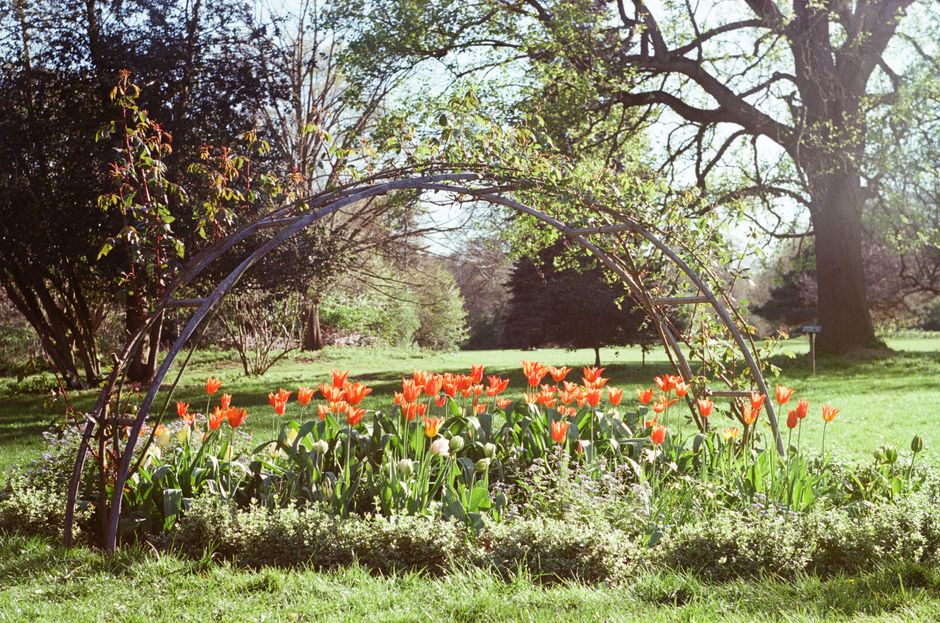
Small gardens can be the best gardens, honestly. They ask for more thought, sure, but they also reward every good decision. If you are looking for Lesnes Abbey Woods gardeners expert tips for small gardens, you are probably dealing with the same familiar challenge: not enough room, too much shade, a patchy lawn, awkward corners, and the constant feeling that one wrong move will make the space feel even tighter.
The good news? A small garden does not need to be simple or boring. With the right structure, planting choices, and upkeep routine, it can feel calm, generous, and surprisingly easy to live with. In this guide, you will get practical advice shaped for real homes, real budgets, and real limited spaces. We will cover what matters, how the process works, common mistakes, and the smart little adjustments that make a compact garden feel much bigger than it is.
To be fair, a small plot can be easier to improve than a large one. There is less to maintain, less to waste money on, and less room for clutter to hide. But only if you design it properly.
Why Lesnes Abbey Woods gardeners expert tips for small gardens Matters
Small gardens around Lesnes Abbey Woods and similar parts of southeast London often have a few shared traits: limited width, overlooked boundaries, tree cover, shade from buildings, and a need to do a lot with not very much. That changes the way a garden should be planned. A solution that works in a broad suburban lawn may feel clumsy in a compact courtyard or narrow back garden.
The biggest reason this topic matters is simple: in a small garden, every element is visible. There is nowhere for a poor layout to hide. A bulky shed, a heavy shrub in the wrong place, or a badly placed path can dominate the whole space. On the flip side, one clever change can transform the feel of the entire garden. That is why advice from experienced gardeners is so useful here. They tend to think in layers: structure first, then planting, then maintenance, then detail.
Another reason is time. Many small-garden owners do not want a high-maintenance project. They want something neat, attractive, and realistic to keep looking good through the year. If that sounds like you, then smart planning matters just as much as plant choice.
There is also the local reality of weather and light. London gardens can swing between deep shade, sudden heat, wind tunnels, and damp corners that never quite dry out. A small space does not give those conditions much room to balance themselves, so you need to work with them rather than fight them.
Expert summary: small gardens succeed when you simplify the layout, use vertical space, choose the right planting, and keep maintenance light enough that you will actually stick with it.
How Lesnes Abbey Woods gardeners expert tips for small gardens Works
The process is less about one dramatic makeover and more about good sequencing. In practice, you start by understanding the space properly. Then you remove anything that is making the garden feel tighter than it is. After that, you design around the best features, not the weakest ones.
Here is the basic logic that experienced gardeners tend to follow:
- Assess the light, drainage, and use of the space. Where does the sun actually land? Where does water gather after rain? Which areas do you naturally walk through?
- Clear visual clutter. Dead plants, awkward ornaments, oversized pots, and tangled edges all make a small garden feel more cramped.
- Define zones. Even in a modest plot, separate the space into a sitting area, planting area, and access route if possible.
- Use height, not width. Trellises, slim shrubs, climbing plants, and wall planting can add softness without swallowing the floor area.
- Choose plants for form as much as flower. In a tiny garden, leaf shape, habit, and seasonal structure matter more than a quick splash of colour.
- Keep maintenance realistic. If a design needs constant cutting back or frequent replacement, it will become a chore very quickly.
That sounds straightforward, but the detail matters. For example, a path that is 20 cm too wide can steal the feeling of a planting bed. A hedge that is allowed to grow loose for one summer can make the whole garden feel hemmed in. Little things, big impact.
If you are considering professional help, services such as garden maintenance and landscape gardening are often the most useful starting points because they combine ongoing care with better layout planning.
Key Benefits and Practical Advantages
When a small garden is planned well, the benefits are not just visual. You feel them in the day-to-day use of the space. A neat compact garden is quicker to look after, cheaper to keep under control, and more pleasant to walk into on a weekday evening when you just want five quiet minutes outside.
- Better use of limited space. The right layout makes a garden feel open, even when the footprint is modest.
- Lower maintenance. Smaller beds, simpler planting, and clear access routes mean less weekly work.
- Stronger year-round appeal. Good structure keeps the garden looking intentional in winter as well as summer.
- Improved privacy. Smart screening with planting or trellis can soften overlooked boundaries without building a wall-like barrier.
- More flexible use. A compact garden can still hold seating, storage, and planting if every element earns its place.
There is also a quieter benefit that people sometimes overlook: confidence. A tidy, readable garden makes it easier to care for. You stop feeling as though the space is always "in progress". Truth be told, that feeling matters more than many design trends do.
For homeowners who want practical support rather than a complete redesign, the combination of lawn mowing, hedge trimming, and seasonal tidy-ups often delivers the biggest improvement for the least disruption.
Who This Is For and When It Makes Sense
This advice is for anyone with a small outdoor space who wants it to feel better without overcomplicating it. That includes first-time homeowners, landlords trying to keep a rental looking presentable, busy families, older residents who want low-effort upkeep, and anyone who has inherited a garden that has become a bit of a jungle. We have all seen those, haven't we?
It makes particular sense if your garden has one or more of the following:
- a narrow layout with restricted side access
- heavy shade from trees, fences, or nearby buildings
- patchy grass that is hard to keep healthy
- too many pots, ornaments, or unused features
- poor drainage after rain
- shrubs or hedges that have outgrown the space
- no clear seating or walking area
If the garden feels difficult rather than delightful, that is usually a sign the structure needs attention, not just the planting. Sometimes a bit of garden clearance is the fastest route to a cleaner, more usable starting point.
This approach also makes sense if you want to spend less time maintaining and more time enjoying. A small garden should not feel like a second job.
Step-by-Step Guidance
1. Start with a proper reset
Before you choose plants or buy anything new, clear out the things that are making the garden feel busy. Remove broken pots, cut back overgrown edges, and get rid of anything that blocks movement or light. Even a half-day tidy can change the whole mood of the space.
2. Measure how the garden really works
Do not rely on guesswork. Walk the space at different times of day and note where the sun lands, where water lingers, and where you naturally pause. In a small garden, a shaded corner can be the perfect home for ferns, hellebores, or low-light tolerant shrubs, while a sunnier strip may suit herbs or compact flowering plants.
3. Decide on one main function
Ask yourself what the garden is mainly for. Relaxing? Growing? Child-friendly play? Pet space? Entertaining? A small garden can do more than one job, but it needs one primary purpose or it becomes a collection of compromises. That is usually where design goes sideways.
4. Build structure before adding detail
Structure means the hard outline of the garden: paths, edges, a seating area, boundary screening, and any permanent features. If you get that right, the rest becomes much easier. This is also where careful landscaping can help create a better sense of proportion.
5. Choose plants that behave well
In small gardens, plant behaviour matters more than the catalogue photo. Look for varieties with restrained growth, strong shape, and seasonal interest. Loose, sprawling plants can be beautiful, but they need discipline. If you do not want regular pruning, keep things modest.
6. Add vertical interest
Use walls, fences, trellis, climbers, and even tall narrow pots to draw the eye upward. This is one of the simplest tricks in the book, and it works. A vertical line makes the garden feel taller and calmer.
7. Finish with a maintenance plan
Do not stop at the design stage. Decide now how the garden will be maintained across the year. A compact space only stays attractive if you keep on top of mowing, trimming, watering, and light pruning. The design should fit the maintenance, not the other way round.
Expert Tips for Better Results
Here is where the practical wisdom really pays off. These are the small decisions that make a disproportionate difference in tight spaces.
- Use repetition. Repeating a small number of plant types creates calm. Too many different textures can look fussy.
- Keep edging crisp. A clean edge between lawn, border, and path makes the garden feel cared for instantly.
- Choose fewer, larger containers. A handful of substantial pots often looks better than lots of tiny ones scattered everywhere.
- Go for airy planting where you can. Plants that move slightly in the breeze can soften hard lines without feeling heavy.
- Use pale or reflective surfaces carefully. Light paving or painted fencing can brighten dark spaces, but avoid overdoing it or the garden starts to feel stark.
- Leave some open ground. Every inch does not need to be filled. Breathing room is part of good design.
- Prune for shape, not just size. A small shrub can look tired if it is only hacked back once a year. Gentle, regular pruning is better.
A useful rule of thumb: if a feature does not earn its place visually or practically, it probably should not stay. Harsh, perhaps, but true.
One more thing. If a plant is "fine" in a big garden but awkward in a small one, that plant is not fine for your space. Context beats theory every time.
Common Mistakes to Avoid
Small gardens are easy to overwhelm. Most problems come from trying to squeeze in too much or choosing features that fight the scale of the space.
- Using oversized planting. Big shrubs and vigorous climbers can swamp a small garden before you realise what is happening.
- Overfilling the space. A lot of people add more pots, more ornaments, and more furniture in the hope of making the garden feel "finished". Usually it just feels crowded.
- Ignoring shade and drainage. A plant that hates damp soil will struggle in a poorly drained corner, no matter how nice it looked in the shop.
- Keeping a lawn that is too small to justify itself. If the grass strip is awkward, shaded, and hard to mow, consider whether a planted or paved solution would work better.
- Letting hedges and climbers run unchecked. This is one of the fastest ways to lose usable width.
- Forgetting maintenance access. You need enough room to mow, prune, sweep, and water without causing frustration every week.
The most common mistake? Designing for the perfect day, not the average one. Rain, shade, muddy shoes, and an hour on a Sunday afternoon should all be part of the reality check.
If the garden has become unruly, the right mix of hedge trimming and lawn mowing can restore shape quickly and show you what the space is actually capable of.
Tools, Resources and Recommendations
You do not need a van full of kit to keep a small garden in good order. In many cases, a simple and reliable toolkit is more useful than a drawer full of fancy gadgets that end up gathering dust. Let's face it, gardening has enough clutter already.
| Tool or Resource | Best Use | Why It Helps in a Small Garden |
|---|---|---|
| Hand pruners | Light pruning and deadheading | Precise cuts without damaging nearby plants |
| Compact rake | Leaf and debris collection | Easier to use in narrow beds and borders |
| Long-handled lopper | Thicker stems and awkward branches | Reaches tight corners without trampling beds |
| Watering can or short hose | Targeted watering | More control in tight layouts than a heavy spray |
| Mulch | Moisture retention and weed suppression | Reduces maintenance and keeps borders tidy |
| Simple garden plan | Layout and planting decisions | Prevents overbuying and visual clutter |
If you want ongoing support rather than one-off tidying, a structured service such as services overview can help you compare what kind of help fits your garden best. For people who prefer a straightforward ongoing routine, garden maintenance is often the most practical choice.
Choosing tools and services should always come back to one question: will this make the garden easier to live with in three months, not just prettier this afternoon?
Law, Compliance, Standards, or Best Practice
For a small domestic garden, the main concerns are usually safety, neighbour relations, and sensible upkeep rather than heavy regulation. Still, a few best-practice points matter.
First, if you are dealing with trees, large branches, or boundary growth near fences and paths, take care. In the UK, tree work should be approached cautiously, especially if the tree is mature, protected, or close to structures. If in doubt, professional assessment is the safer route. That is where tree lopping and removal services may be relevant, particularly where size or safety is becoming an issue.
Second, hedge and boundary maintenance should be done with neighbour awareness. A small garden can feel even smaller if a hedge spills over the line or blocks light. Good communication prevents minor friction. No one wants an awkward fence-line conversation on a damp Tuesday evening.
Third, access and safety matter. Slippery surfaces, unstable edges, overloaded storage, and poorly placed lighting can all create avoidable risk in compact spaces. If you are hiring help, it is reasonable to ask about insurance, safe working practices, and how waste is handled. A trustworthy business should be able to speak clearly about this. You can review insurance and safety and health and safety policy information before booking work.
Finally, sustainability is increasingly part of normal best practice. Reusing materials where appropriate, composting green waste, and choosing durable finishes all reduce waste and future hassle. If that matters to you, recycling and sustainability is a sensible page to look at.
Options, Methods, or Comparison Table
There is rarely just one way to improve a small garden. The right choice depends on budget, maintenance tolerance, and how much change you want. Here is a practical comparison.
| Approach | Best For | Pros | Trade-offs |
|---|---|---|---|
| Simple tidy-and-maintain | Budget-conscious homeowners | Quick improvement, low disruption, easy to repeat | Less dramatic visual change |
| Soft redesign | People wanting a fresher layout | Better structure, better use of space, stronger style | Requires more planning and possibly more work upfront |
| Full landscaping refresh | Gardens with major layout issues | Maximum improvement, more usable space, long-term payoff | More cost, more decision-making, more time |
| Maintenance-led improvement | Busy households or rented homes | Reliable, cost-effective, keeps the garden presentable | Not as transformative on its own |
For many small gardens, the best route is a mix: start with clearance, improve the layout slightly, then put the right maintenance routine in place. That combination tends to age well. And, crucially, it is manageable.
Case Study or Real-World Example
Imagine a typical compact back garden behind a terrace near Lesnes Abbey Woods. It starts out with a narrow lawn, a few tired shrubs, a fence line covered in unchecked growth, and a patio that never quite feels big enough to sit on comfortably. The owner wants somewhere calm, not a full show garden.
The first move is not to add more plants. It is to clear. Overgrown stems are cut back, the border is thinned out, and the lawn edges are redefined so the space looks sharper immediately. That alone changes the proportions. The garden suddenly feels wider, even though not a single inch has been gained.
Next, the layout is simplified. One seating area stays. One planting bed becomes the main feature. A couple of vertical supports are added so climbers can lift the eye up the fence line. The lawn is reduced slightly because it was too small to be useful and too awkward to mow properly. Small decision, big payoff.
Then the planting is edited rather than expanded. A few strong shapes replace a lot of weak ones. The result is calmer, easier to maintain, and much more cohesive. By the time the first damp autumn afternoon arrives, the garden still feels tidy rather than tired.
That is the real trick with small gardens. Improve the bones, keep the palette modest, and resist the urge to cram everything in. The space starts to breathe.
Practical Checklist
Use this checklist before you redesign or tidy a small garden.
- Have I removed clutter, dead growth, and anything I no longer use?
- Do I know where the sun, shade, and wet patches fall?
- Is there a clear route through the garden?
- Have I chosen one main purpose for the space?
- Are my plants suitable for the light and moisture conditions?
- Have I left enough open space so the garden does not feel crowded?
- Do the boundary treatments and taller features suit the scale of the garden?
- Can I maintain this layout without constant extra effort?
- Have I thought about pruning, mowing, watering, and seasonal tidy-up work?
- Would a small amount of professional help save time and improve the result?
If you can tick most of those off, you are in a strong place. If not, do not worry. Small gardens often improve fastest once the clutter is removed and the plan becomes simpler.
Get a free quote today and see how much you can save.
Conclusion
The best Lesnes Abbey Woods gardeners expert tips for small gardens come down to a few clear ideas: simplify the layout, choose plants with restraint, use height wisely, and keep maintenance realistic. A small garden should feel like a useful extension of your home, not a constant project waiting to happen.
If you remember only one thing, make it this: in a compact garden, less clutter and better structure almost always beat more features and more fuss. The prettiest small gardens are usually the ones that look calm first and clever second. That is not an accident. It is good judgement.
And if the space still feels a bit stubborn, that is normal. A garden often needs one or two seasons to settle into its better shape. Be patient. Keep trimming, keep simplifying, and let the space show you what it wants to be.
Frequently Asked Questions
What makes a small garden look bigger?
A small garden usually looks bigger when the layout is simple, the planting is restrained, and the eye is led upward with vertical elements such as trellis or climbers. Clear paths and uncluttered borders help too.
Should I keep a lawn in a very small garden?
Sometimes yes, but only if it is genuinely practical. If mowing is awkward and the grass is mostly shaded or patchy, a smaller lawn or an alternative surface may work better.
What are the easiest plants to manage in a compact garden?
Plants with controlled growth, strong structure, and reasonable tolerance of local conditions tend to be easiest. The best choice depends on light, soil, and how much time you want to spend pruning.
How often should a small garden be maintained?
Most small gardens benefit from light, regular attention rather than occasional major work. Weekly or fortnightly checks usually prevent the garden from becoming unruly.
Can landscaping really help a tiny garden?
Yes. Even small changes to paths, edging, seating, or planting structure can make a compact garden feel more usable and balanced. The key is not to overbuild it.
What is the biggest mistake people make with small gardens?
Overfilling the space is probably the most common mistake. Too many pots, too many plant types, and oversized features can make a garden feel busy and smaller than it is.
Is garden clearance worth doing before redesigning?
Usually, yes. Clearing the space first helps you see the actual shape of the garden and prevents you from designing around unwanted clutter or overgrown growth.
How can I make a shady small garden more attractive?
Focus on texture, leaf shape, and structure rather than relying only on flowers. Shade can be beautiful when the planting is chosen well and the space is kept tidy.
Do I need professional help for a small garden?
Not always, but professional help can be useful if the space is overgrown, awkward, or hard to maintain. It can also save time if you want a more polished finish without trial and error.
What should I ask before booking a gardener?
Ask what is included, how waste is handled, whether the work is insured, and how they approach maintenance in small spaces. Clear expectations make the whole job smoother.
How do I keep a small garden from feeling cluttered?
Use fewer but better-chosen features, repeat a limited plant palette, and leave some breathing space. If everything has to compete for attention, the garden will feel smaller.
What is the best next step if my small garden feels overwhelming?
Start with a reset: clear, trim, and simplify. Once the space is readable again, you can make smarter decisions about planting, structure, and ongoing maintenance.
For more about the team and how support is approached, you can also visit about us or use the contact us page if you are ready to discuss your garden.
Sometimes the smallest gardens become the ones people love most. A little care goes a long way, and that is a lovely thing to work with.